 Loading... Please wait...


- Home
- Arduino Shields
- Mega
- Schmartboard Through Hole Prototyping Shield for Arduino Mega with Components and Free Breadboard (206-0001-02)
Categories
Related Products
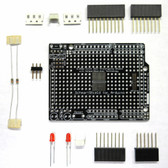

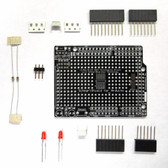
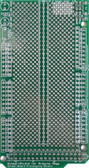
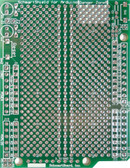
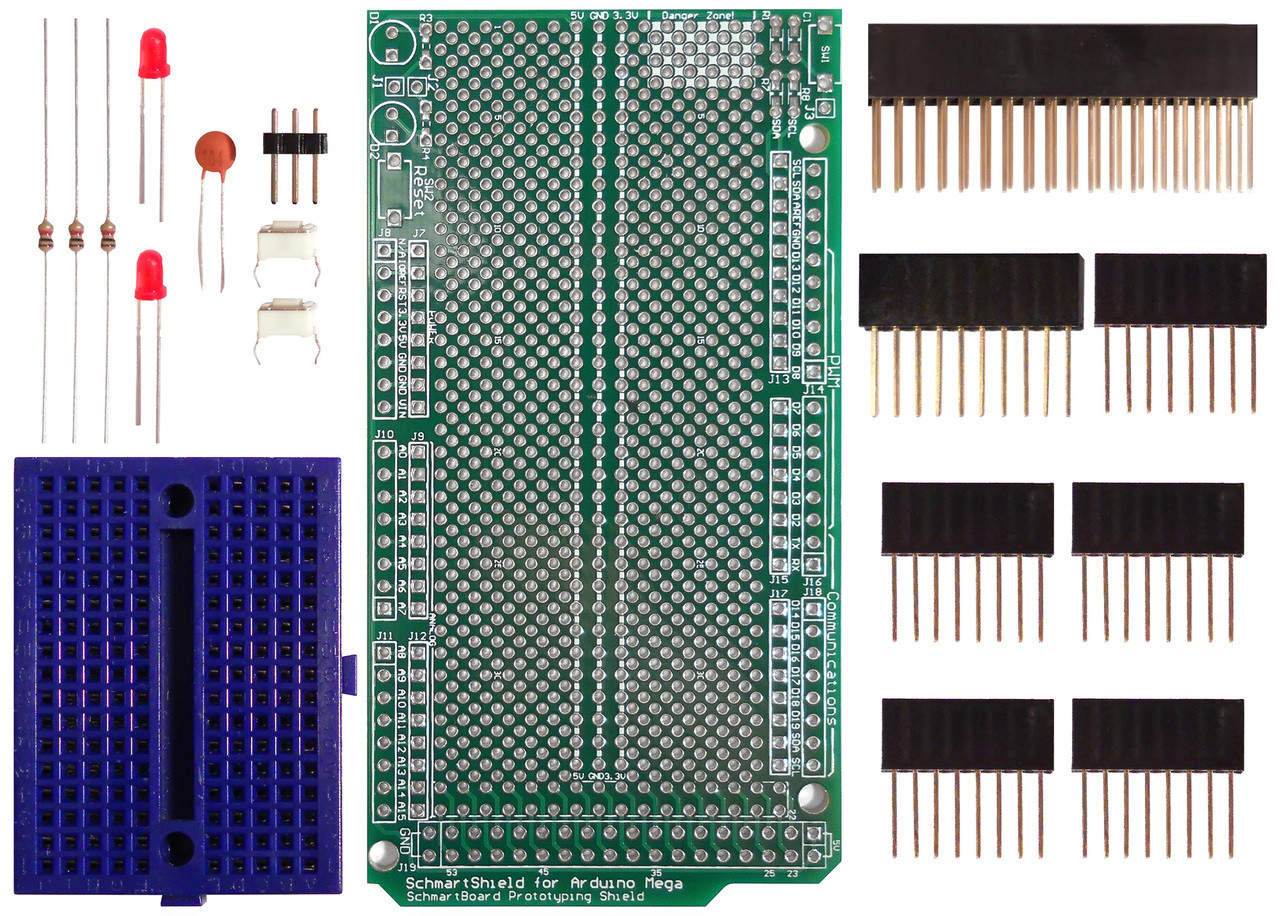
Schmartboard Through Hole Prototyping Shield for Arduino Mega with Components and Free Breadboard (206-0001-02)
Hover over image to zoom


, $18.00 (https://schmartboard.com/schmartboard-through-hole-prototyping-shield-for-arduino-mega-with-components-and-free-breadboard/))
Product Description
Schmartboard Through Hole Prototyping Shield for Arduino Mega with Components and Free Breadboard
This Arduino Mega is perfect for prototyping circuit using through hole components or adding Schmartboard SMT to DIP adapters to prototype surface mount components with your Arduino project. The through hole grid is Schmartboard's signature offset that allows greater flexibility than standard through hole boards. The board has Pre Routed traces to minimize the use of wire jumpers. It includes all the basic components and a free 170 test point breadboard with an adhesive back.
If your Arduino Mega projects tend to evolve from napkin sketch to spaghetti wiring… this shield is your upgrade to something far more civilized.
The Schmartboard Through-Hole Prototyping Shield is designed to bridge the gap between quick breadboard experimentation and clean, semi-permanent builds. It gives you the freedom to prototype, refine, and finalize your circuits directly on a shield that plugs neatly into your Arduino Mega.
Why This Shield Stands Out
1. Smarter-than-standard prototyping layout
This isn’t your typical grid of holes. Schmartboard’s signature offset through-hole pattern gives you more routing flexibility than traditional prototyping boards, making component placement feel less like Tetris and more like design.
2. Pre-routed traces = fewer jumper wires
Instead of building a tiny jungle of wires, this board includes pre-routed connections that reduce clutter and simplify your builds. Translation: cleaner circuits, faster debugging, fewer “why isn’t this working?” moments.
3. Built for both through-hole and SMT workflows
Whether you're working with classic through-hole components or stepping into surface-mount territory, this shield supports both. Pair it with Schmartboard SMT-to-DIP adapters and suddenly even tiny ICs feel manageable.
What’s Included (and why it matters)
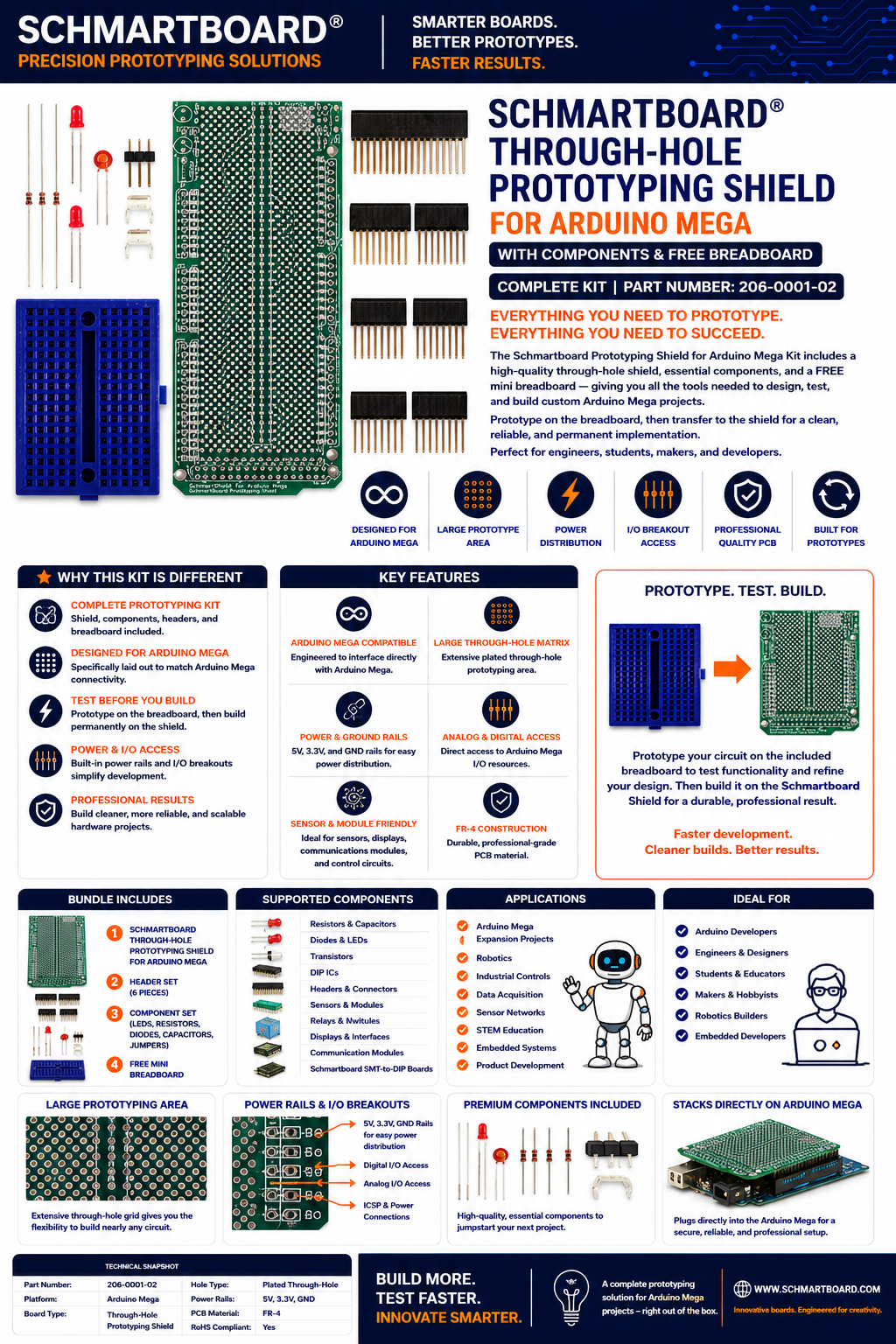
- Through-hole prototyping shield (Arduino Mega compatible)
- Basic component assortment to get you building immediately
- 170 tie-point mini breadboard (adhesive-backed) for quick testing or hybrid builds
That included breadboard is a quiet hero. It lets you prototype fast, then migrate to soldered permanence without changing platforms mid-project.
Ideal Use Cases
This shield shines in that “in-between” phase of development:
- Turning a working breadboard circuit into a reliable, portable module
- Building custom sensor interfaces or control systems
- Creating repeatable prototypes for demos or small-batch builds
- Experimenting with mixed through-hole and SMT designs
Think of it as the moment your project graduates from “concept” to “something you’d actually show someone.”

Product Videos
-
 SchmartBoard Surface Mount Prototyping Shields-Game ChangerSchmartboard has made surface mount components available to Ar...
